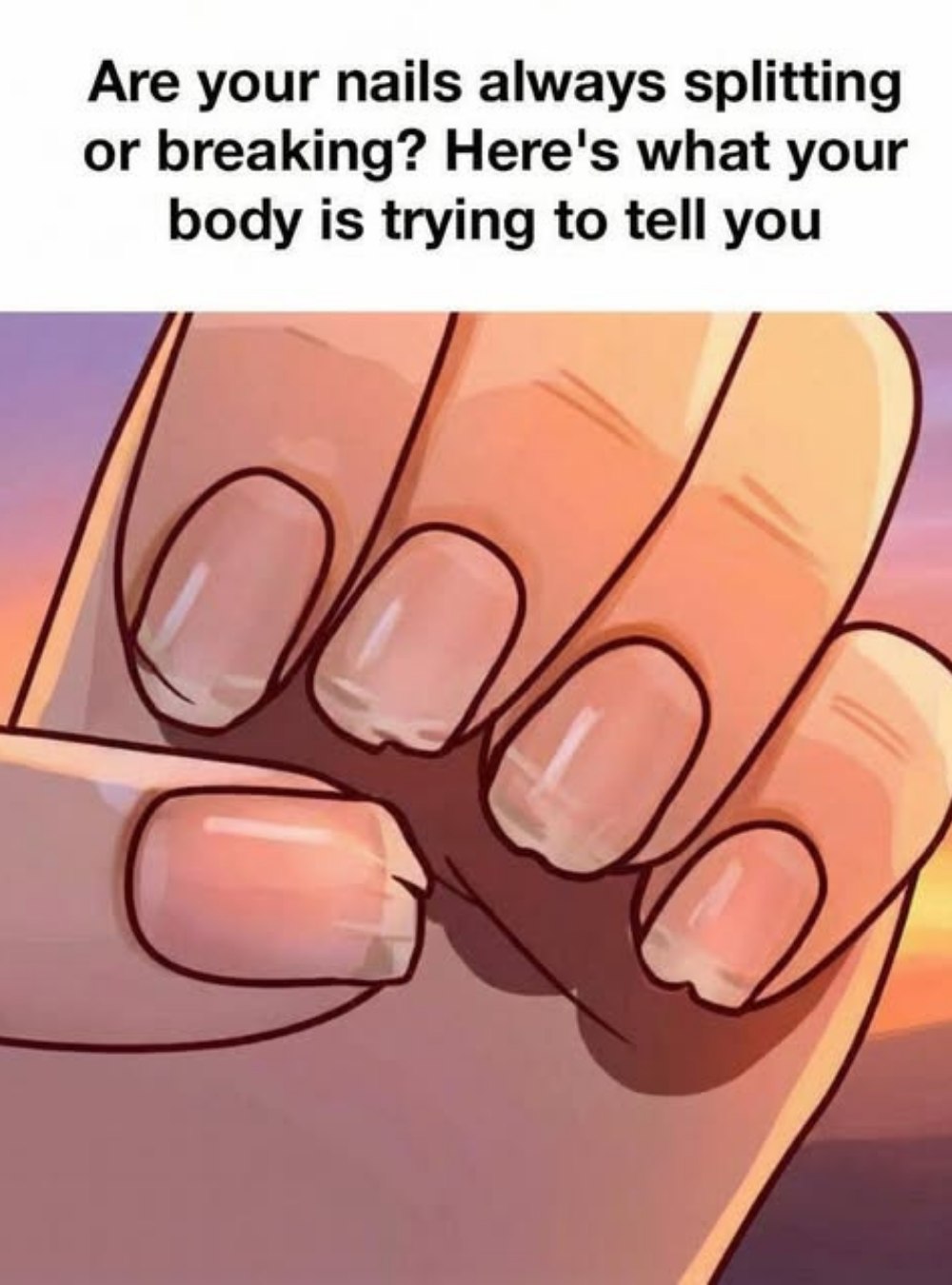
Strong, healthy nails may seem like a small detail, but they often play a role in overall appearance and self-confidence. Over time, many people notice changes such as increased fragility, visible ridges, or a rougher surface texture. While occasional differences are perfectly normal, ongoing changes in nail strength or appearance can reflect long-term habits, lifestyle factors, and environmental exposure. Because nails grow slowly, their condition usually reveals patterns that develop over months rather than days.
Nutrition is one of the most important foundations of healthy nail growth. Nails are made primarily of keratin, a protein that depends on adequate dietary support. A balanced diet that includes sufficient protein, whole grains, fruits, and vegetables helps maintain nail thickness and resilience. Certain nutrients, such as biotin and iron, are commonly linked to normal nail strength. When the body lacks key nutrients over time, nails may become thinner, softer, or more prone to splitting and breakage.
Hydration also plays a significant role in nail flexibility and texture. When the body is not well hydrated, nails can lose moisture, becoming dry and brittle. External factors often add to this effect. Frequent handwashing, prolonged exposure to water, harsh soaps, cleaning products, or nail polish removers can strip away natural oils that protect the nail surface. Seasonal changes, especially cold or dry weather, may further increase moisture loss and contribute to peeling or cracking.
Daily habits can either protect or stress nails. Wearing gloves while cleaning or doing dishes, limiting exposure to strong chemicals, and applying moisturizing creams or oils can help preserve nail health. Gentle grooming practices, such as filing rather than tearing nails and avoiding excessive buffing, also reduce damage over time.
Natural changes associated with aging can influence nail condition as well. Nail growth may slow, and dryness may become more noticeable, affecting both strength and appearance. Stress, sleep quality, and overall self-care routines can further impact how nails look and feel. Because nails respond gradually, consistent care is often more effective than quick fixes.
Maintaining a balanced diet, staying hydrated, and protecting nails from unnecessary wear can support gradual improvement and long-term strength. While most nail changes are harmless, persistent or concerning differences may benefit from professional evaluation. Thoughtful attention to nail care can help keep them healthy, strong, and comfortable as the years go by.