How often do you really pay attention to your feet? For most people, foot care is limited to the occasional pedicure, and anything beyond that tends to be overlooked. What many don’t realize, however, is that the feet can offer important clues about overall health.
Subtle changes that are easy to dismiss may actually signal serious conditions such as heart disease or diabetes. Understanding the link between foot health and the rest of the body can help identify potential problems much earlier.
How Foot Health Reflects Overall Well-Being
Our feet don’t just react to long days or uncomfortable shoes — they can also reflect underlying medical issues. Noel Wicks, a pharmacist and expert advisor to Excilor, told The Express UK that monitoring foot health is essential. She explained that changes related to circulation, muscles, or even toenails can point to deeper health concerns.
“We need to keep an eye on our foot health, including our toenails, because it can impact our overall health and be a sign of serious health issues,” Wicks said.
Each foot contains 26 bones, 30 joints, more than 100 muscles, and an extensive network of blood vessels. Beyond helping us move, this complex structure can act as an early warning system for conditions such as heart disease.
 |
| Pexels |
Heart Disease Warning Signs in the Feet
Because the feet are among the farthest parts of the body from the heart, the small blood vessels in the toes are especially vulnerable to reduced circulation and fatty buildup — a key indicator of heart disease.
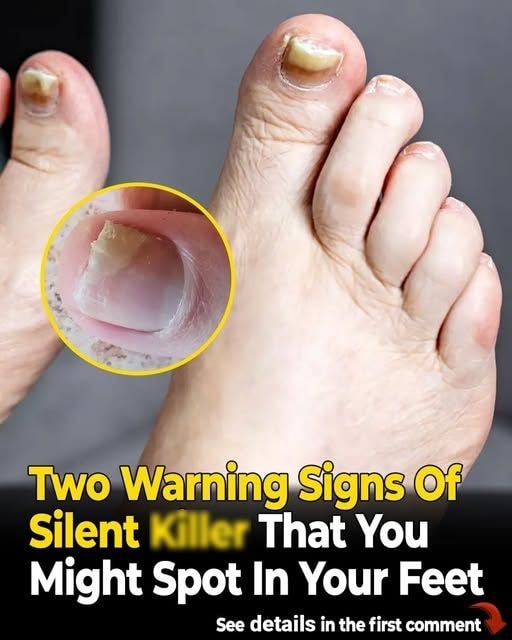
According to Wicks, symptoms such as cold feet, numbness, swelling, pain, or general discomfort should not be ignored. Changes in toenails, including thickening or increased brittleness, may also suggest circulation problems linked to heart disease.
Anyone experiencing these symptoms should seek medical attention as soon as possible.
Managing and Preventing Heart Disease
If foot-related symptoms suggest a heart condition, prompt evaluation is crucial. Treatment depends on severity and may include lifestyle changes, medication, or surgical intervention. Long-term management often involves regular monitoring and adherence to treatment plans.
Prevention remains the best approach. Maintaining a balanced diet, exercising regularly, getting enough sleep, and avoiding excessive smoking or alcohol consumption can significantly reduce the risk of heart disease.

Diabetes Signs That Appear in the Feet
The feet can also reveal early signs of diabetes, a condition closely connected to heart disease. Common symptoms include tingling, burning sensations, numbness, or pain. Skin may become dry or cracked, wounds may heal slowly, and infections such as athlete’s foot or fungal issues can occur.
While these signs may seem minor, they often indicate nerve damage. Numbness, for example, can affect balance and coordination, increasing the risk of frequent stumbles because the brain receives less feedback from the feet.
Paying attention to changes in your feet may seem simple, but it can play a critical role in detecting serious health issues early — when they are often easiest to manage.