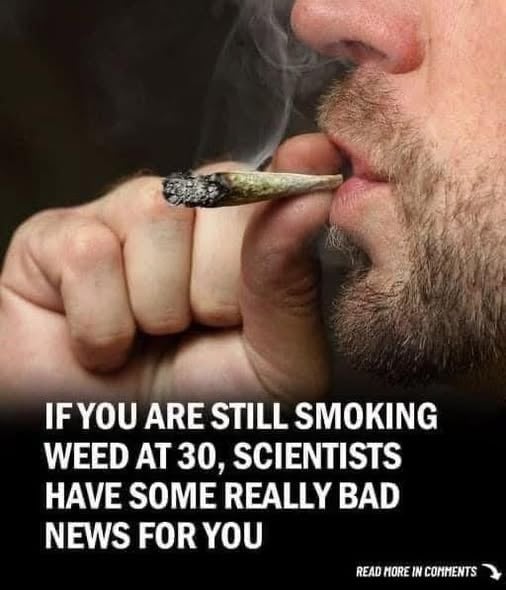
Marijuana is steadily gaining wider acceptance across the globe. Its medical applications, ability to alleviate anxiety, and recreational appeal have garnered support from many. However, recent research raises questions about its advisability, particularly for adults aged 30 and older. These findings suggest that individuals in this demographic may want to reassess their marijuana consumption habits.

Why Smoking Marijuana After 30 May Be Problematic
If you are 30 or older and use marijuana, whether occasionally or regularly, recent findings from an Australian study might give you pause. Researchers explored the life outcomes of marijuana users and uncovered potentially concerning trends for adults in this age group.
A team at The University of Queensland examined the relationship between drug use and life success. They analyzed data from over 8,000 mothers and 2,000 children regarding substance use at ages 21 and 30. The study revealed that marijuana use correlated with lower success rates across nine specific criteria, including:
- Education
- Income
- Home ownership
- Relationship status
- Reported happiness
Limitations of the Study
Before drawing definitive conclusions, it is essential to consider several limitations of the study that may affect its applicability.
1. Data Specificity The dataset was drawn from a highly localized sample in Australia and exclusively included female mothers. Additionally, some of the data dates back to 1981, which may not fully reflect current global demographics or attitudes toward marijuana use.
2. Markers of Success The criteria used to evaluate success, such as homeownership and relationship status, may not be universally relevant. For instance:
- Homeownership is influenced by personal priorities and geographical factors. In an era of increasing digital nomadism, owning a home may not be a primary goal for many individuals.
- Relationship status is equally subjective. Being single does not necessarily equate to failure, just as being in a relationship does not guarantee overall success.
3. Polydrug Use The study did not account for the potential use of other substances. Researchers acknowledged that individuals with poorer outcomes might have used additional drugs, such as ecstasy, opiates, or synthetic substances. This makes it difficult to isolate the specific impact of marijuana and amphetamines.
What These Findings Mean for You
The research suggests that experimenting with drugs during youth does not automatically lead to poor outcomes in adulthood. However, it underscores the importance of preventing casual use from evolving into dependency later in life. Overuse of substances like marijuana can negatively affect areas such as work performance, relationships, and overall stability.
If you choose to use marijuana, responsible consumption is key. Avoid excessive use and ensure it does not interfere with your personal or professional responsibilities. If you notice decreased motivation, increased spending on the substance, or a negative impact on your life, it may be time to reevaluate your habits. Ultimately, maintaining balance and mindfulness is crucial to preserving your well-being.