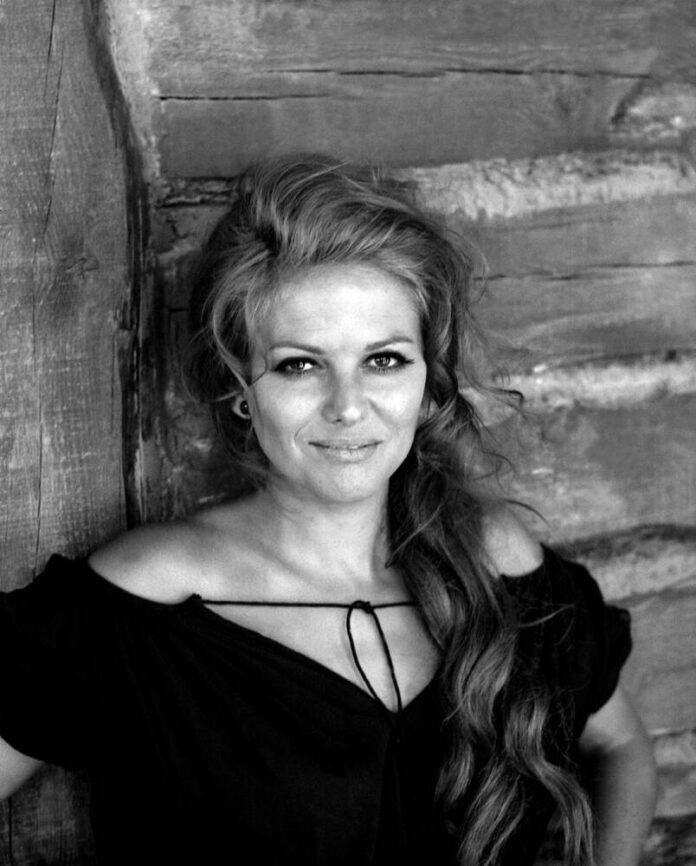

She rose to prominence during the golden era of cinema, capturing audiences with a screen presence that felt both commanding and deeply human. From her earliest roles, it was clear that she possessed a rare balance of elegance, intelligence, and emotional depth. Her performances carried an authenticity that transcended language and culture, allowing viewers from different generations to connect instinctively with the characters she portrayed.
Her career unfolded at a time when the film industry was both glamorous and demanding, particularly for women. Within that environment, she navigated success and pressure with remarkable poise. Rather than relying solely on image, she gravitated toward roles that required inner strength, vulnerability, and psychological complexity. Critics and collaborators alike recognized her ability to convey emotion through subtle gestures and quiet intensity, qualities that set her apart from many of her contemporaries. Her professionalism and dedication earned her lasting respect across international film circles.
As the years passed, she evolved into a symbol of classic style and artistic integrity. Far from retreating from public life, she continued to attend major film festivals, take part in retrospectives, and speak openly about her experiences in cinema. By sharing her journey, she helped preserve the memory of a defining era in filmmaking while offering insight and inspiration to younger generations of actors and directors.

This enduring icon of Italian cinema is Claudia Cardinale. Her influence spans more than five decades, bridging classic and modern film traditions with grace and consistency. Her legacy reflects the power of genuine storytelling and committed performance, reminding us that talent, resilience, and passion can create work that remains meaningful long after the spotlight shifts.